Post-Election Shifts Reveal a Growing Opportunity: Medical Conversions in a Disrupted Office Market

Post-Election Shifts Reveal a Growing Opportunity: Medical Conversions in a Disrupted Office Market

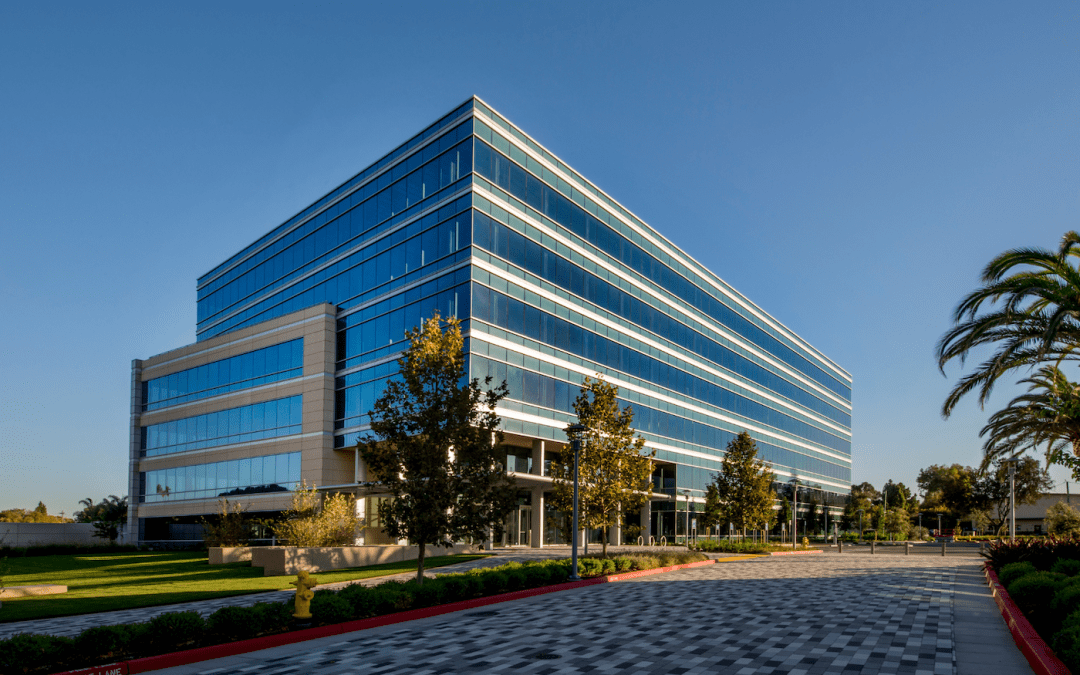
Medical Office Building

The results of the 2024 election are starting to ripple through the U.S. economy — and commercial real estate is feeling the effects. Higher interest rates, regulatory shifts, and economic uncertainty are amplifying the challenges already facing the traditional office sector. While the broader market navigates these headwinds, Recentric sees a major opportunity taking shape: the strategic conversion of distressed office assets into thriving healthcare facilities.

Here are three strong reasons why we believe this opportunity deserves your attention:

1) Office Headwinds Create Opening for Healthcare Real Estate

General office properties continue to struggle. National vacancy rates have risen to 19.9%, with key markets like Denver exceeding 25%. Office valuations are down significantly, and over 10% of recent transactions have involved distressed sales. Leasing activity remains sluggish, and tenants continue to shrink their footprints. At the same time, healthcare real estate remains a pillar of stability. Medical office space vacancies hover around 6.3%, and healthcare tenants continue to seek efficient, high-quality outpatient environments. In short: traditional office faces an uphill climb — while healthcare real estate is accelerating on the downhill.

2) Medical Conversions: Unlocking Value in a Shifting Market

Converting underutilized office space into modern healthcare facilities offers several powerful advantages:

  • Capture unmet demand from growing healthcare systems and specialty providers.
  • Command higher rents and longer lease terms compared to general office tenants.
  • De-risk assets by anchoring occupancy with non-cyclical, essential service providers.

These conversions aren’t easy. They require deep industry knowledge, strong healthcare tenant relationships, and operational expertise. That’s where Recentric holds a distinct advantage.

3. Why Recentric Is Positioned to Win

Recentric has spent over a decade building a platform specialized in medical real estate. Our team brings:

  • Direct access to healthcare decision-makers: Health systems, specialty groups, and brokers know us and trust our reputation.
  • Operational efficiency: We understand the technical nuances — from regulatory compliance to medical buildouts — that make healthcare projects successful.
  • Proven execution: Our track record across medical assets has delivered strong returns and served as a safe haven in uncertain times.

We are already evaluating several medical conversion opportunities and moving aggressively where the fundamentals make sense.

Navigating Health Care Real Estate Market Diversity

Looking Ahead

Post-election economic shifts have created uncertainty across many asset classes, but they have also unveiled compelling opportunities for those positioned to act decisively. At Recentric, we believe that targeted medical conversions represent one of the most attractive strategies for growth and value creation in today’s market — and we are ready to lead the way.

We look forward to capitalizing on these opportunities to deliver strong, sustainable returns for our investors in the quarters and years ahead.

Sources:
CommercialEdge National Office Report (March 2025)
eXp Realty 2025 Commercial Real Estate Market Outlook
Finance & Commerce Medical Office Report (2025)
Wolf Media MOB Sales Performance Q1 2025
CBRE Medical Outpatient Buildings Outlook 2025
CBRE U.S. Healthcare Real Estate Investor Survey 2025

Buckle up, it’s going to be a bumpy ride!

Buckle up, it’s going to be a bumpy ride!

washington DC

The Trump 2.0 administration is entering its third week since Inauguration Day on January 20th. The changes that are being made are swift, profound and in some cases will have major impacts on the US economy. Here are a few of the recent actions that you should be watching and how they may affect your financial future.

Trade wars and their impact on US economy

A trade war has started, and the Trump administration has fired the first shot. As of Feb 2nd, 2024, new tariffs have been placed on Mexico and Canada of 25% on all goods and 10% on energy products. An instantaneous result of these tariffs is the weakening of the Mexican Peso and Canadian Dollar, and a stronger US Dollar. The Trump administration is citing both countries are not willing to assist in battling illegal immigration and fentanyl smuggling into the United States as the main reason for implementing such tariffs. Such tariffs could drive both Mexico and Canada into a recession, given that the US is their first and second, respectively largest trading partners worldwide. These tariff wars are expected to exacerbate the cost of goods and continue to put pressure on inflation, which is already making a comeback, according to a US News recent report.

Reduction in government’s footprint and budget

DOGE, the Department of Government Efficiency spearheaded by Elon Musk is starting to reduce the size of the government by recently announcing it has cancelled $420 million in contracts in 80 hours. This puts DOGE on track to cut $67 billion per year. Most of these contracts were focused on DEI programs and empty buildings leased through the GSA or General Services Administration. The GSA manages a massive real estate portfolio of 370 million square feet. The Trump administration is planning to sell off two thirds of the government buildings to the private sector which could have a major impact on pricing in the respective markets. Additionally, about three-quarters of the 70 million square feet of office space the GSA leases from private landlords in Washington D.C. is also likely to be canceled, according to Don Peebles, a longtime Washington, D.C.-based developer.

While Recentric’s portfolio includes a GSA tenant, the Army Corp of Engineers, we believe this specialized Risk Mitigation office which handles the Western Region of the United States is not a target for cancelled leases. In fact, since the Trump administration has announced a renewed initiative to drill for oil and gas domestically, the Army Corp of Engineers is required to approve all new drilling sites that affect federally regulated waters and wetlands in the United States, which we believe will make this department even more relevant.

Health Care and the US government

Health care is the largest sector of the US economy ($4.5 trillion in 2022) and of that, the US government makes up 18% of the entire US health care industry. The Trump administration has implemented a spending pause which has been directed largely at the enormous government bureaucracy, however, has inadvertently affected Medicaid payments to states and impacted special funding for safety net hospitals such as Denver Health. The Center for Disease Control and Prevention and the NIH (National Institute for Health) is being targeted by requiring all external communications to be halted. If you have exposure to real estate or equities that center around any of these targeted agencies, you may want to take note.

United States’ fiscal policy is seeing seismic shifts happening at breakneck speed. You can be sure that many of President Trump’s executive actions will be challenged in court, especially when it comes to de-funding programs that have already been approved by Congress. Taking a deep dive into each action can help you to determine what the financial impact will be on your investments and how to prepare for a new administration that has government spending in its crosshairs.

The tortoise and the hare: Who wins in commercial real estate investing?

The tortoise and the hare: Who wins in commercial real estate investing?

tortoise in and hare in commercial real estate

There is an old saying in our industry, that commercial real estate has two speeds: Slow and Slower. In my previous life, I was a dot-commer. The fast-paced world of internet commerce, valuation growth and burn rates all contributed to my transition to investing in commercial real estate in 2002. Since then, I have become accustomed to the slower pace, and quite frankly enjoy the more methodical and measured decision making in real estate.

Here are a few reasons why the tortoise is faster than the hare.

Building Connections

Successful real estate investing always relies on a network of professionals, including real estate brokers, contractors, lenders, and investors. Developing these relationships takes time but can lead to valuable opportunities and insights. Recentric prides itself on having a high moral compass and cementing strong partnerships, and quite frankly friendships, in a sometimes-unfriendly industry! We are all learning every day, and establishing strong ties is not only rewarding, but also profitable!

Maximizing Rental Income and Cash Flow

Health care real estate can provide a consistent income stream, but it may take time to stabilize occupancy rates and optimize lease rates. Recentric’s patience allows our team to properly position each asset with tenants which provides a strong synergy with other tenants in the building. Also, building positive relationships with tenants contributes to longer lease terms and reduced vacancy rates. This requires time and consistent effort, underscoring the need for a patient approach.

Property Appreciation Takes Time

Real estate generally appreciates over time, but significant gains often require years or even decades. Patience ensures that investors can benefit from property value increases, neighborhood development, and execution of value-add strategies that contribute to appreciation. Recentric’s focus each day to create value is based on the following strategies:

  1. Converting existing office use to medical use, where possible
  2. Upgrading buildings with older systems to be more efficient and environmentally sustainable
  3. Maximizing the value of each asset through daily legal, finance and operational incremental improvements.

In real estate investing, patience is not merely a passive waiting game but an active, disciplined approach that encompasses strategic planning, thorough research, and long-term vision. By embracing patience, real estate investors can navigate market complexities, optimize their investments, and ultimately achieve greater financial success. Rushing into real estate ventures without patience can lead to suboptimal decisions, increased risk, and diminished returns. Therefore, cultivating patience is essential for anyone seeking to thrive in the competitive and dynamic world of commercial real estate investment, making the tortoise Recentric’s team mascot!

How To Prepare For the Upcoming Election

How To Prepare For the Upcoming Election

vote

How the 2024 election cycle may affect your investments

Get out the popcorn, the election mania has begun. While our U.S. Constitution affords each citizen the freedom to vote in a Federal Republic in the best country in the world, one thing is certain: This 2024 election outcome and higher inflation may have a profound impact on your overall net worth.

Debate Fallout

Given the outcome of the recent Presidential debate, the U.S. treasury yields started surging indicating that the re-election chances for Biden took a severe hit, and that a GOP sweep is possible. History shows that budget deficits tend to be larger under one-party control. The prospect of elevated deficits may have already played a role in driving up U.S. treasury yields. This means an increase in the supply of bonds that the market must absorb will apply upward pressure on inflation. As I wrote in my last newsletter, A Hard Asset is Good to Find, investing in hard assets is a good hedge against inflation.

Trump Trade Part 2

After Republicans swept control of Congress and the White House in the 2016 election, longer term yields rose faster than shorter term yields sparking a rally in the stock market. This also happened in January 2021, when Biden and the Democrat controlled Congress passed the COVID-19 relief package providing a rally in the real estate and stock markets. Be sure to consult with your financial adviser, however this may be worth taking advantage of should it come to fruition.

Regional Banks Stressed

As the $2.2 trillion in maturing U.S. commercial loan debt starts to hit the market through 2027, the Federal Reserve has increased scrutiny on regional banks given their exposure to loans and an overall decrease in loan business. “We expect higher for longer rates will continue to pressure credit quality for the next several quarters pushing more banks to build loan loss reserves through 2024,” analysts at Morgan Stanley. This capitulation may force more banks to take back properties and sell at a large discount to remove them from their balance sheets, whereby providing an amazing buying opportunity in 2025. Our company Recentric is poised to take advantage of this possible outcome.

Depending on your investment objectives, the above three scenarios can provide you with an advantage to improve your overall net worth and financial success. As an informed investor, it is important to understand how the political landscape can affect the private markets, and more importantly, your personal portfolio of investments. While commercial real estate is more sensitive to interest rates and employment, the government acts like a silent partner who can significantly impact your returns. Stay informed on what your government partner is going to do to affect your next investment decision.

A Hard Asset Is Good To Find

A Hard Asset Is Good To Find

hard assets

Or is it the other way around? A good asset is hard to find? This may be a cheeky question, but it couldn’t apply more given today’s volatile US dollar and persistent inflation that investors and consumers are experiencing.

Hard assets are tangible products that hold value for investors. The value of hard assets generally aligns with inflation such as commercial real estate, precious metals, energy commodities, and in some cases offer a mix of business and pleasure, such as artwork, classic cars, wine, and books.

In today’s world of the devalued US dollar, if you are not exposed to hard assets, you may be missing out, and here is why:

Diversification

Hard assets can help diversify an investment portfolio. They are tangible and have intrinsic value through good times and bad.They are typically long-term investments and can ride out economic cycles while maintaining their value.

Hedge Against Inflation

The value of hard assets often aligns with inflation, so they provide a hedge against rising prices and consistent value in “real dollars”. They usually deliver returns in alignment with inflation.

Stability

Hard assets provide stability in times of uncertainty, market instability, economic fluctuations, and volatility. Any value erosion is usually slower than in the stock market.

Utility and Rarity

The value of hard assets tends to be based on their utility, rarity, and emotional attractiveness. Their utility in the world can contribute to their sustained value.

Investing in hard assets requires a longer and more patient outlook, but personally I embrace the illiquidity of these investments so as not to impulse sell when the market shifts. And back when we were in the fine wine auction business, we always had a saying that if the market for fine wine were to drop to zero, at least we could drink it! Cheers to you and your long-term investment strategy!